Interactive Plant Map
Click on any plant below to discover its stain-fighting properties. Each botanical solution targets specific types of stains through natural enzymes and compounds. Understanding which plant to use for each situation ensures effective cleaning while preserving your fabrics.
Saponaria officinalis
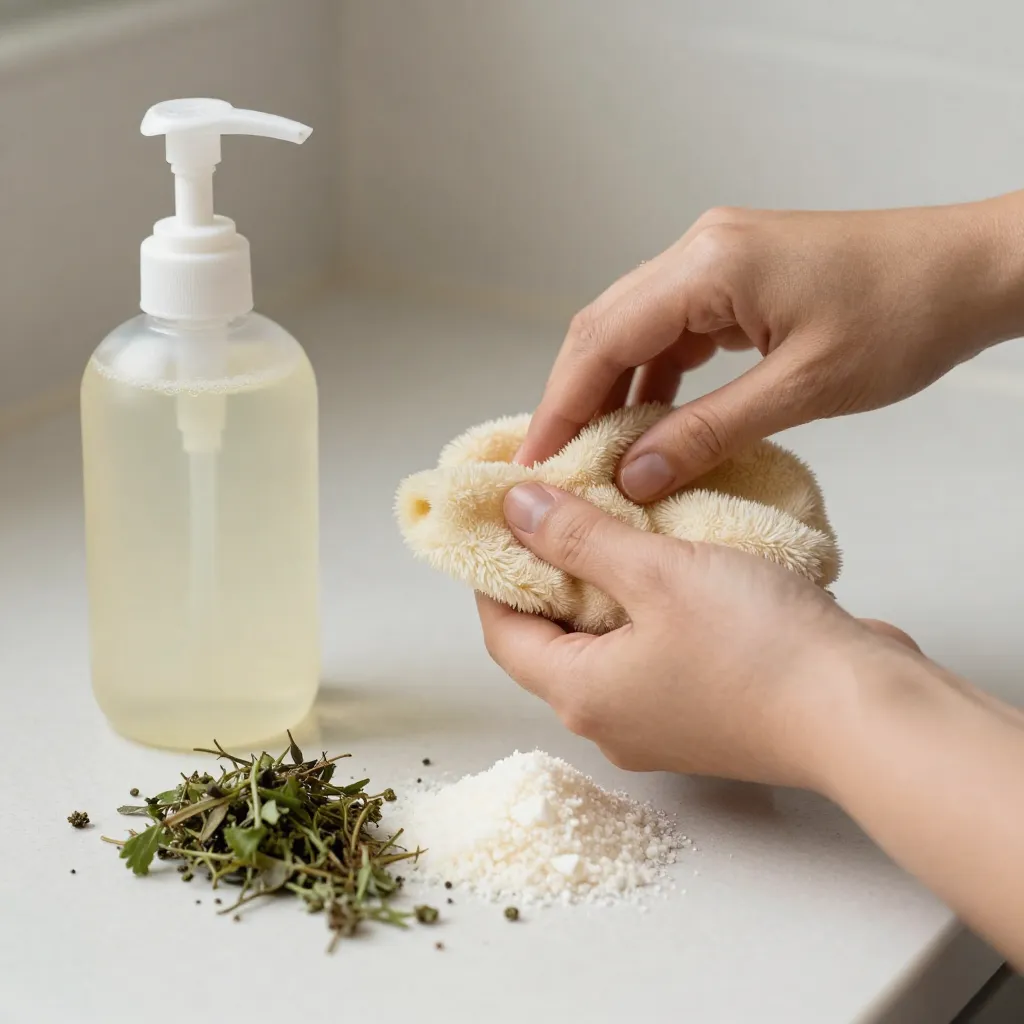
Commonly known as soapwort, this plant contains natural saponins that create a gentle lathering effect.
The saponins in soapwort break down oil-based stains and protein residues. Best used warm to activate the natural cleaning compounds.
Citrus limon
Lemon extracts contain citric acid and natural enzymes that work effectively on various stain types.
The acidic nature of lemon helps neutralize alkaline stains while the natural bleaching properties lighten pigment-based marks.
Eucalyptus globulus
Eucalyptus leaves contain terpenes and natural solvents that penetrate deep into fabric fibers.
The volatile compounds in eucalyptus dissolve oil-based stains and sticky residues. Use at moderate temperatures to preserve the active compounds.
Aloe vera
Aloe contains proteolytic enzymes that break down protein-based stains naturally.
The enzymes in aloe vera work best at lower temperatures. Ideal for delicate fabrics that cannot withstand heat treatment.
Vinegar (Acetic Acid)
While not a plant itself, vinegar derived from fermented plant matter offers powerful cleaning properties.
The acidic nature neutralizes alkaline stains and dissolves mineral buildup. Always dilute before use and test on a hidden area first.
Baking Soda (Sodium Bicarbonate)
Derived from natural sources, baking soda provides gentle abrasive and pH-balancing properties.
The alkaline nature balances acidic stains while the fine particles provide gentle scrubbing action. Works well as a paste for localized treatment.
Understanding Stain Profiles
Oil-Based Stains
These include cooking oils, butter, and greasy residues. Plants like soapwort and eucalyptus contain compounds that emulsify oils, allowing them to be washed away.
Protein-Based Stains
Blood, egg, and dairy products fall into this category. Enzymatic plants like aloe vera and soapwort break down protein molecules effectively.
Pigment Stains
Wine, coffee, and ink contain colored compounds. Citrus extracts and certain plant acids can help lighten these marks through natural bleaching action.
Temperature Matters
Each plant extract has an optimal temperature range. Too hot, and you may damage the active compounds. Too cold, and they may not activate properly.